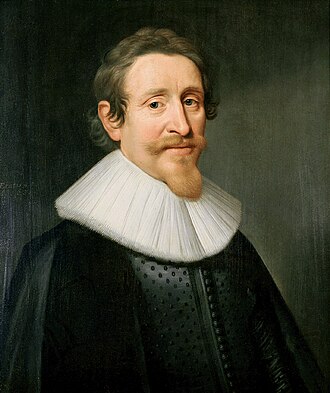
Was ooit de gedachte zoals deze werd verwoord door Hugo de Groot (1583 -1645). De door hem geformuleerde vrijheden waren gebaseerd op de volgende uitgangspunten:
- Geen enkele staat of persoon kan zich de zee toe-eigenen;
- De hulpbronnen van de zee zijn onuitputtelijk;
- Gebruik van de zee door één staat, staat gebruik door een andere niet in de weg;
- Het aantal gebruiksvormen is relatief beperkt en de ruimte en de mogelijkheden zijn zo enorm, dat conflicterend gebruik of schade aan het zeemilieu zijn daarom niet denkbaar.
Was het allemaal maar waar mijnheer de Groot. Helaas zijn de tijden en de werkelijkheden anders.
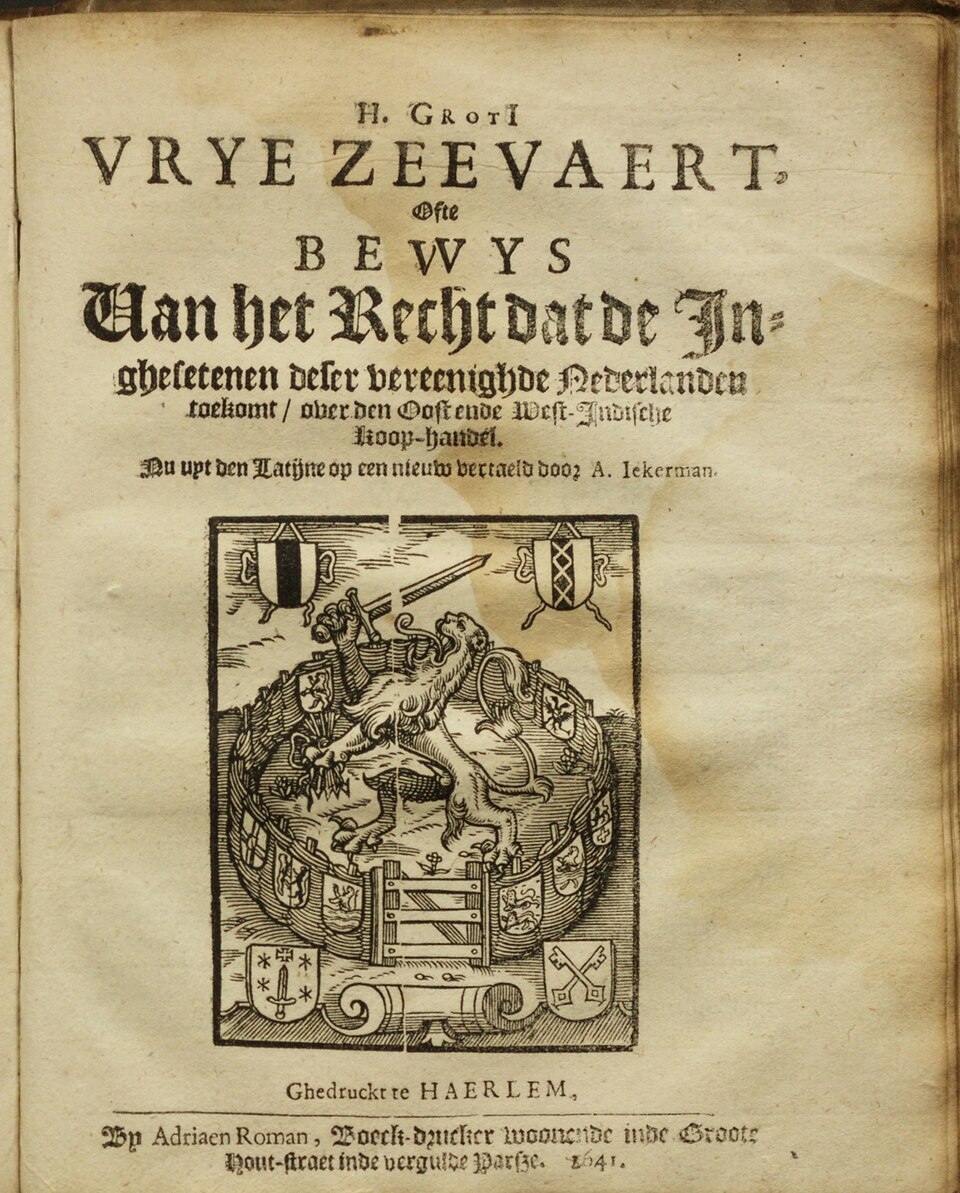
De eerste echte vastlegging was ten tijde van de Codificatie Conferentie Internationaal Recht van de Volkenbond te Den Haag in 1930. De inkt was van de handtekeningen nog nauwelijks droog of het wassende tij van het nationalisme met een estafette van territoriale eisen spoelde over de oceanen. De ‘visserij’ belangen veroorzaakte een golf van uitbreidingen. Zoals bij IJsland waar de visserijgrens al snel van 3 mijl naar 50 mijl ging.
Tijdens de Derde VN-Zeerecht conferentie (1973-1982) kwam er een soort van allesomvattende regeling uit. Door sommigen aangeduid als ‘de wereld-grondwet der oceanen’. Met maar liefs 320 artikelen en met negen uitgebreide bijlagen.
Waarvan één artikel, artikel 137, in mijn beleving, nog steeds bepalend is of zou dat rond de Straat van Hormuz moeten zijn. Artikel 137 geeft aan dat geen enkel deel van de Area of hulpbronnen geclaimd of toegeëigend kan worden door staten, ondernemingen of individuen. Gebruik staat vrij in eigendom nemen niet! ‘All rights in te resources of the Area are vested in mankind as a whole’.
Iran, meneer Trump, lees dit eens of laat het eens voorlezen! Gebaseerd op de gedachten van een echt groot man, ene Hugo de Groot. Uitgewerkt in bijna 10 jaar (1973 -1982) tot iets wat echt goed kan zijn voor de mensheid, dus inclusief ‘grote’ naties als Iran of de USA. Of zijn die naties in werkelijkheid slechts pubers op een schoolplein?
Mare liberum (The sea is free)
This was once the idea as expressed by Hugo Grotius (1583–1645). The freedoms formulated by him were based on the following principles:
– No state or person can appropriate the sea;
– The resources of the sea are inexhaustible;
– Use of the sea by one state does not preclude use by another;
– The number of forms of use is relatively limited, and the space and possibilities are so enormous that conflicting use or damage to the marine environment are therefore inconceivable.
If only it were all true, Mr. Grotius. Unfortunately, times and realities are different.The first true codification occurred during the League of Nations’ Codification Conference on International Law in The Hague in 1930. The ink on the signatures had barely dried when the rising tide of nationalism, with a relay of territorial demands, swept across the oceans. The ‘fishing’ interests caused a wave of expansions. Like at Iceland, where the fishing boundary quickly went from 3 miles to 50 miles.
During the Third UN Conference on the Law of the Sea (1973-1982), a sort of all-encompassing regulation emerged. Referred to by some as ‘the world constitution of the oceans’. With no fewer than 320 articles and nine extensive appendices.
Of which one article, Article 137, is, in my view, still decisive, or should be, regarding the Strait of Hormuz. Article 137 states that no part of the Area or resources can be claimed or appropriated by states, corporations, or individuals. Use is free; taking ownership is not! ‘All rights in the resources of the Area are vested in mankind as a whole’.
Based on the thoughts of a truly great man, one Hugo Grotius. Developed over nearly 10 years (1973–1982) into something that could truly be good for humanity, thus including ‘major’ nations.